
Maya Chen - Client
45:12
Q
Did the client agree to the new pricing model?
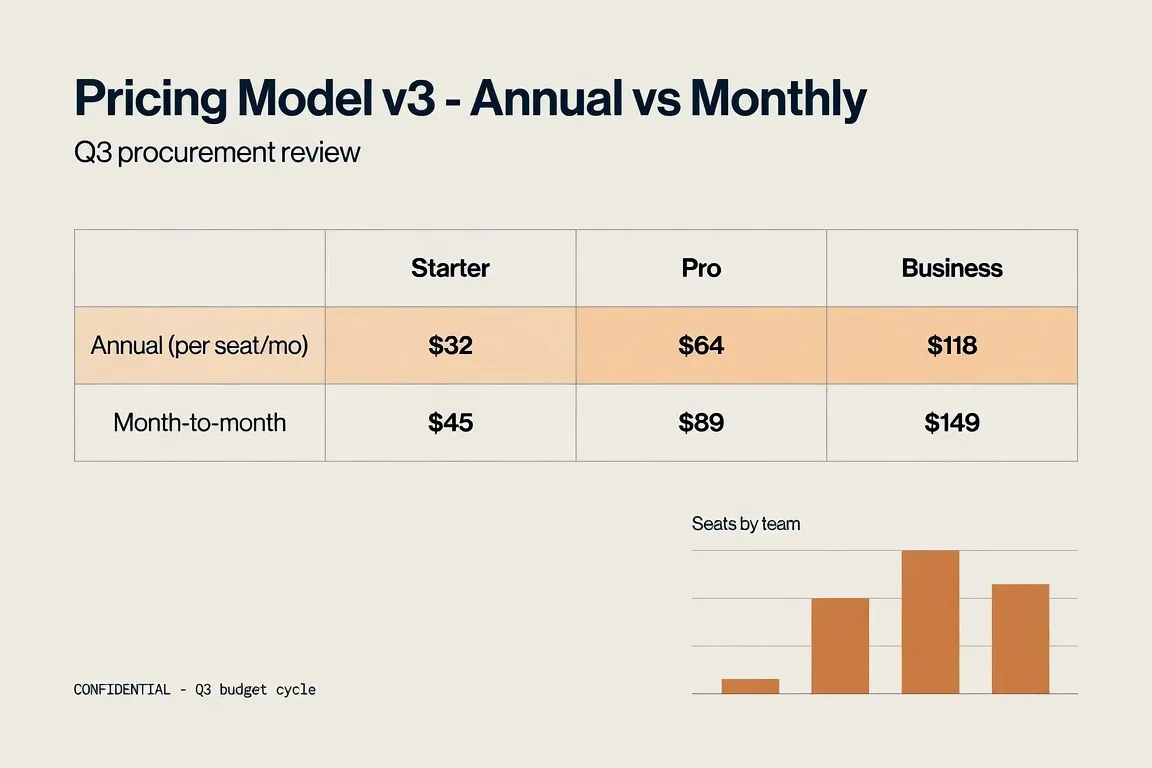
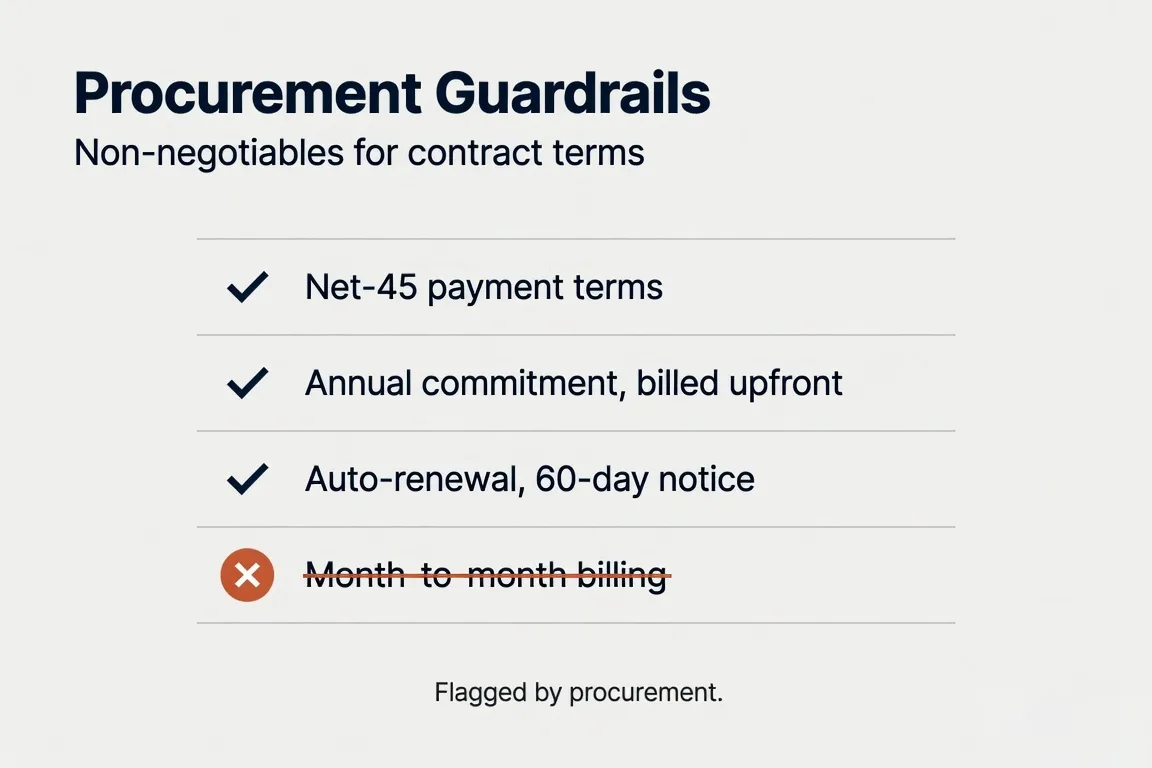
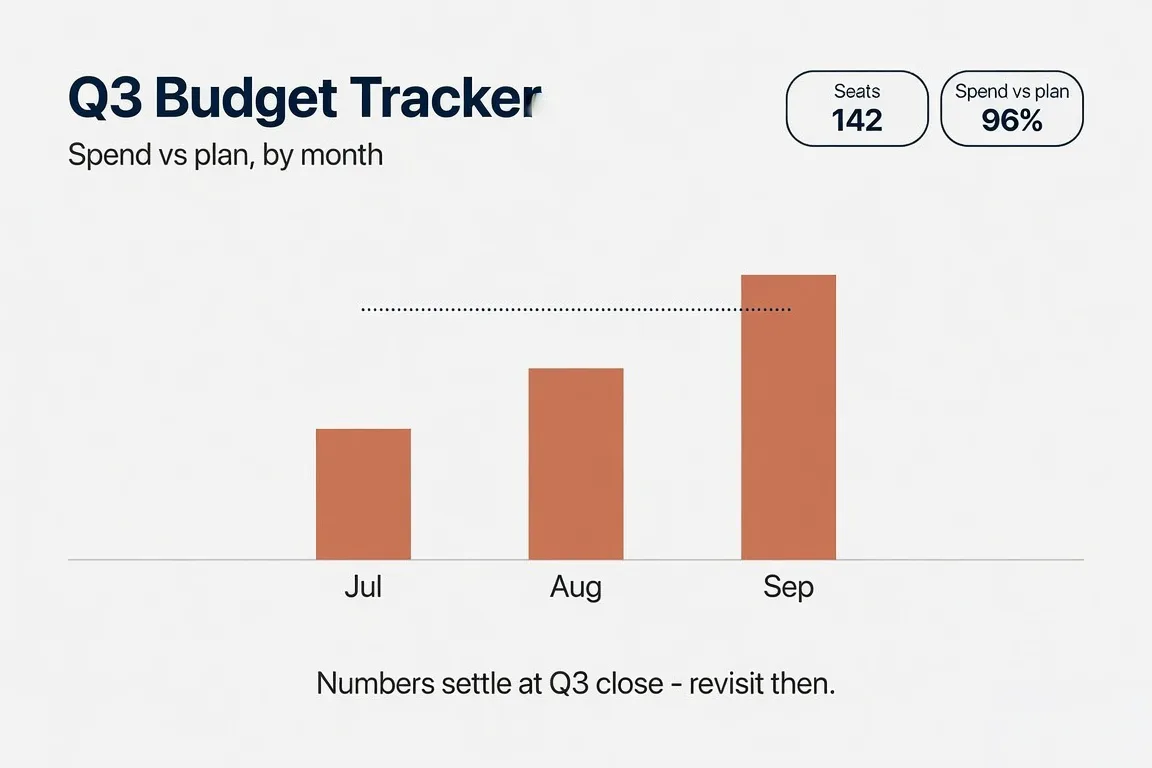
Partially. Maya accepted annual tiers1, but flagged month-to-month pricing as a blocker for procurement2. David asked to revisit after Q3 budgeting3.
Otter.ai is built to make conversations searchable. Citesvue is built so a claim survives review three weeks later, with the timestamp and page that support it attached, plus a frame when eligible visual evidence is ready.
Did the client agree to the new pricing model?
Partially. Maya accepted annual tiers1, but flagged month-to-month pricing as a blocker for procurement2. David asked to revisit after Q3 budgeting3.
Their description is quoted from their own pages. Ours describes what the deployed product does today.
Otter.ai describes itself as "Your AI notetaker is now also your Conversational Knowledge Engine" and says it "transcribes every meeting, turning it into searchable knowledge that powers your workflow", with live transcription in multiple languages, speaker recognition, summaries covering decisions and action items, and automations that send takeaways into tools including Jira, Salesforce, Slack, and Asana.
Citesvue starts from the opposite end. The unit of value is not the note, it is the citation: a quote with a speaker and a timestamp, a page and section in a document, or, after optional visual evidence is ready, a video frame showing the error state. Answers that cannot be grounded are declined rather than smoothed over.
The rows that decide this are not about summary quality. They are about what a colleague can verify without reopening the source.
Read from Otter.ai's own public pages on 4 August 2026. Rows marked Not published mean the capability is not described there, not that it is impossible. Products change; if we have a row wrong, tell us and we will correct it.
A comparison that never concedes anything is marketing. These are the situations where we would tell you to stay.
You do not have to move history to try the comparison. Upload one recording you already have plus the requirements document that goes with it, then ask the same question in both tools and look at what comes back attached.
Any recording you already have. No bot, no calendar connection, no import job.
The specification, contract, or test plan the session was about. PDF, Word, or Markdown.
The one where the answer matters. Check whether what comes back can be verified without reopening the source.
A Fireflies.ai alternative for teams that need defensible evidence: frame-level citation, documents in the same index, and artifacts pushed with their proof.
A Fathom alternative for evidence work: frame and page citations, documents alongside recordings, and artifacts that arrive in Jira with their proof.
A tl;dv alternative for evidence-grade output: cited answers across recordings and documents, frame-level proof, and findings you export with their evidence.
Or it could sit in a Drive folder nobody opens again. The difference is whether it has citations attached.